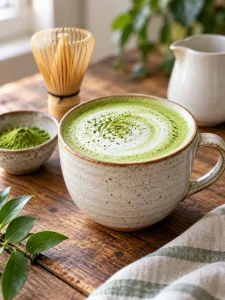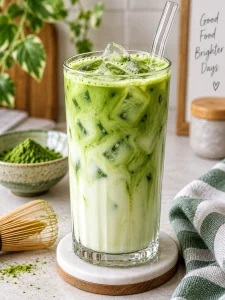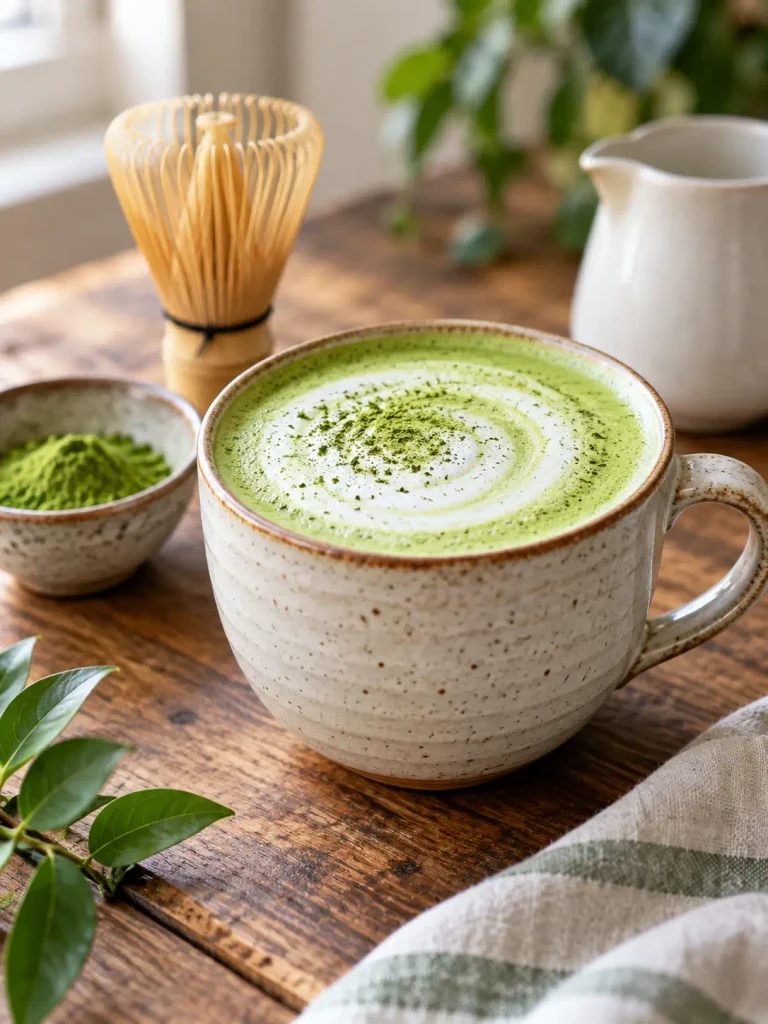
There’s something satisfying about turning a spoonful of bright green matcha into a creamy drink right in your own kitchen. When I first learned how to make matcha latte at home, I expected it to require special equipment and a lot of practice. Instead, I found that a good cup comes down to a few small details: fresh matcha, the right amount of water, creamy milk, and proper mixing. Below, I’ll show you how to make matcha latte at home, how to choose your matcha and milk, and how to get that smooth, frothy texture without making the process complicated.
In this Article
Key Takeaways: What You Need to Know
A homemade matcha latte starts with matcha powder mixed with a small amount of hot water until smooth. Then you add warm or cold milk and sweetener to taste. For a balanced cup, start with 1 to 2 teaspoons of matcha, about 2 ounces of water, and 6 to 8 ounces of milk. Sifting the matcha before whisking helps prevent little green clumps. You can use dairy milk or plant-based choices such as almond, oat, soy, or coconut milk. For a cold version, check out my full guide on how to make iced matcha.
How to Make Matcha Latte That Tastes Smooth and Creamy
I’m a self-taught home cook, so I tend to approach drinks the same way I approach dinner: I want something flavorful without turning my kitchen into a science lab. That’s one reason this recipe quickly became a favorite.
When I started making matcha at home, my first cup looked pretty, but tiny lumps floated through the milk. Another attempt tasted far too strong. Eventually, I learned that how to make matcha latte really comes down to getting three things right: the matcha, the ratio, and the mixing method.
Once you understand those basics, the recipe becomes surprisingly simple. Better still, you can change the milk, sweetness, and strength to fit your taste.
What Is Matcha?
Matcha is a finely ground powder made from specially grown and processed green tea leaves. Instead of steeping tea leaves and removing them, you whisk matcha powder directly into water and drink the mixture.
That difference gives matcha its distinctive green color and concentrated tea flavor. It can taste grassy, earthy, slightly sweet, and pleasantly bitter, depending on the powder and how you prepare it.
If you’re already a tea drinker, you may notice that matcha tastes quite different from an ordinary cup of green tea. Milk softens its stronger notes, which helps explain why a latte makes such a friendly introduction to matcha.
Matcha also has deep ties to Japanese tea culture. You can read more about its background and production in the Wikipedia overview of matcha.
For this recipe, you don’t need to recreate a formal tea preparation. Instead, we’ll borrow the useful idea of whisking matcha with water first and then turn it into a creamy everyday latte.
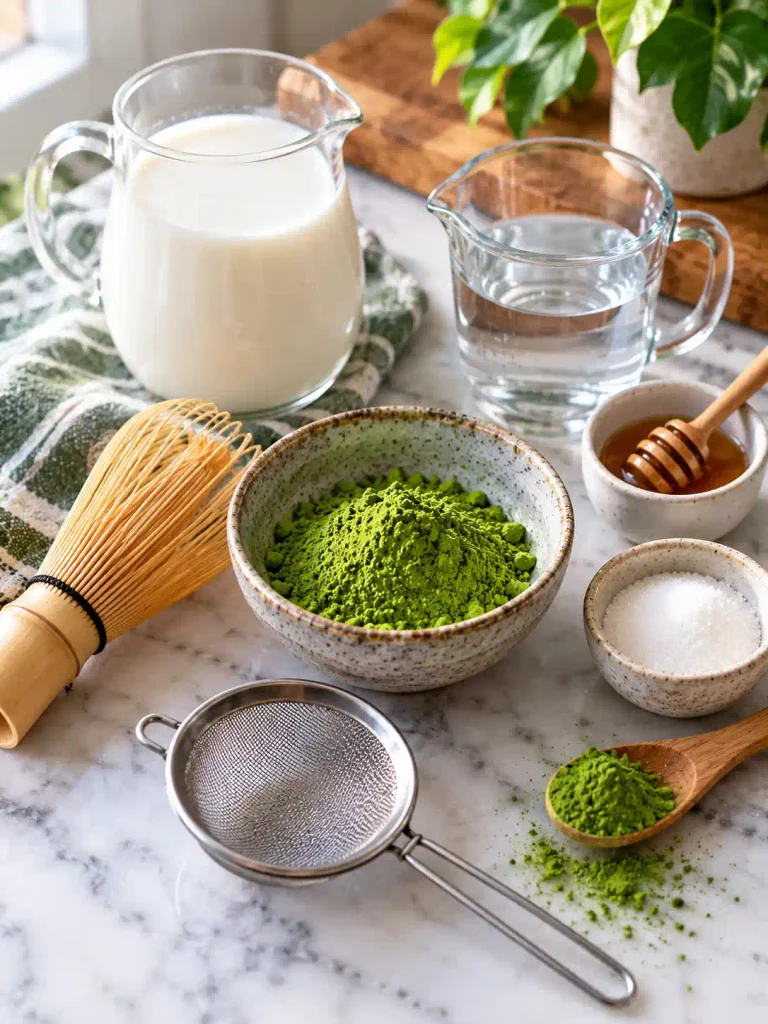
Matcha Latte Ingredients List
One of my favorite things about learning how to make matcha latte at home is the short ingredient list. You don’t need flavored syrups or a cabinet full of specialty ingredients.
Here’s the basic formula:
| Ingredient | Amount | Why It’s Here |
|---|---|---|
| Matcha powder | 1–2 teaspoons | Provides the main tea flavor and green color |
| Hot water | 2 ounces | Creates a smooth matcha base |
| Milk | 6–8 ounces | Adds body and creaminess |
| Sweetener | To taste | Balances stronger tea notes |
| Ice | As needed | Turns the recipe into an iced latte |
You can make the recipe with whole or 2% milk if you enjoy a rich dairy latte. However, a matcha latte with almond milk works well too, especially if you prefer its lighter, slightly nutty flavor. Oat, soy, and coconut milk give you more choices.
You can even prepare a matcha latte with milk powder. First, mix the milk powder with water according to its package directions. Then use the prepared milk exactly as you would regular milk. This option can come in handy when you don’t have fresh milk in the refrigerator.
Sweetener remains optional. Honey, maple syrup, or regular sugar can all work. I recommend starting small because it’s much easier to add another touch of sweetness than to rescue an overly sweet drink. If honey is your favorite, my honey lemon ginger tea offers another simple way to pair honey with tea.
The real secret isn’t adding more ingredients. It’s getting these few ingredients to work together. That’s what we’ll tackle next when choosing the best matcha for latte and the right milk.
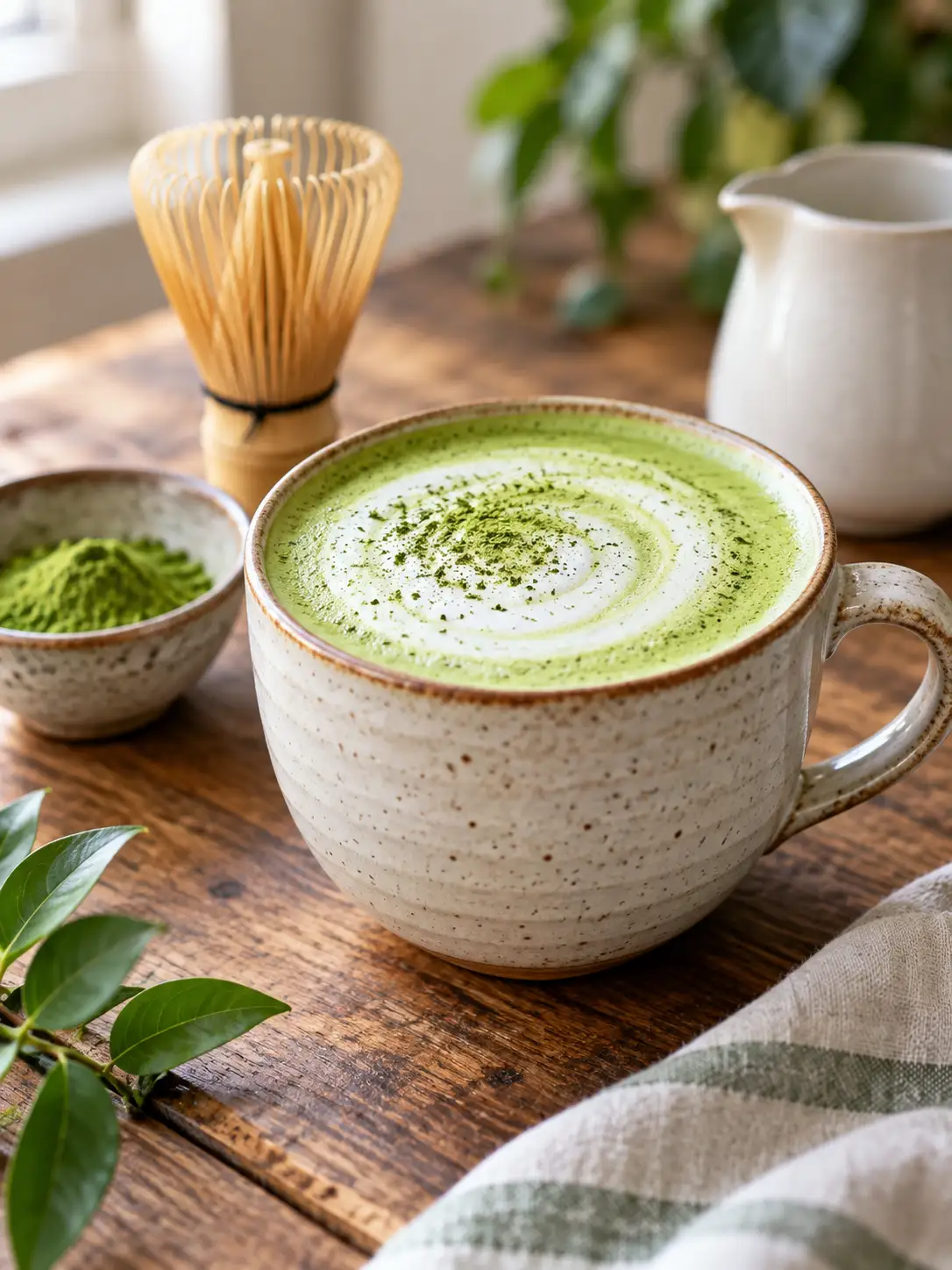

How to Make Matcha Latte
Ingredients
Equipment
Method
- Sift the matcha.
- Add 1½ teaspoons of matcha powder to a fine-mesh sieve. Sift it into a small bowl or wide mug to break apart any lumps.
- Add the water.
- Pour 2 fluid ounces of hot water over the sifted matcha.
- Whisk the matcha.
- Whisk briskly until the matcha looks smooth and a light layer of foam appears on top. Make sure no dry clumps remain.
- Prepare the milk.
- Warm 7 fluid ounces of milk for a hot matcha latte. Froth the milk if you want a lighter, foamier texture.
- Combine the latte.
- Pour the warm milk into the prepared matcha. Add honey, maple syrup, or sugar if desired, then stir gently.
- Serve.
- Taste the matcha latte and adjust the sweetness or milk if needed. Serve immediately.
Nutrition
Notes
Tried this recipe?
Let us know how it was!Best Matcha for Latte and the Right Milk
Once you know how to make matcha latte, the quality of your matcha and milk can make a noticeable difference. You don’t need the most expensive matcha on the shelf. However, you do want a powder that tastes fresh, mixes smoothly, and gives your drink a pleasant green tea flavor.
When I was learning how to make matcha latte at home, I focused too much on the whisking technique and not enough on the matcha itself. Then I tried a fresher powder, and the difference surprised me. The drink looked brighter, tasted smoother, and needed less sweetener.
Milk matters too. Because milk makes up most of the finished drink, its flavor and texture directly affect your matcha latte. So, before we get into the exact steps for how to make matcha latte, let’s choose ingredients that give us a good starting point.
What Is the Best Matcha Powder for a Latte?
The best matcha for latte should have a fresh aroma, a vivid green appearance, and a flavor strong enough to remain noticeable after you add milk. Since you’re learning how to make matcha latte, start with a matcha powder intended for drinking or lattes rather than choosing solely by price.
Many stores sell matcha under labels such as ceremonial grade and culinary grade. However, those labels alone don’t tell you exactly how a powder will taste. Instead, check the ingredient list and choose a product that contains matcha without unnecessary additions.
Freshness also matters. Matcha can lose some of its appealing aroma and flavor after you open the package. Therefore, close the container tightly and follow the storage directions on its label.
For a standard homemade latte, start with 1 teaspoon of matcha. Then, if you want a stronger tea flavor, increase the amount toward 1½ or 2 teaspoons. This small adjustment makes how to make matcha latte at home much easier because you can match the drink to your own taste instead of following one rigid strength.
If you already enjoy other tea drinks, my butterfly pea flower tea recipe gives you another colorful drink to try at home.
Choosing Milk for How to Make Matcha Latte at Home
Milk changes the body, sweetness, and overall flavor of your latte. Therefore, choosing the right one forms an important part of learning how to make matcha latte.
Whole milk creates a rich, creamy cup. Meanwhile, 2% milk gives you a slightly lighter result while still adding body. Oat milk can taste naturally sweet and creamy, while soy milk brings a fuller texture. Coconut milk adds a noticeable coconut flavor.
A matcha latte with almond milk offers another simple dairy-free choice. Almond milk usually produces a lighter drink with a mild nutty note. Because brands vary, you may need to adjust the sweetener after tasting your latte.
| Milk | Texture | Flavor With Matcha |
|---|---|---|
| Whole milk | Rich and creamy | Softens matcha’s stronger notes |
| Oat milk | Creamy | Mild and naturally sweet |
| Almond milk | Light | Mild and slightly nutty |
| Soy milk | Full-bodied | Creamy with a distinct soy note |
| Coconut milk | Creamy | Adds coconut flavor |
You can also learn how to make matcha latte with milk powder. Prepare the powdered milk with water according to its package instructions first. After that, measure the prepared milk for your latte. This method gives you a handy alternative when fresh milk isn’t available.
Whichever milk you choose, don’t let it overpower the tea. When learning how to make matcha latte, aim for a balance where you can taste both the matcha and the creamy milk.
You can also serve a homemade matcha latte with something simple from the kitchen. For example, a slice of my banana bread makes an easy breakfast or afternoon pairing.
Now that we’ve covered the powder and milk, the next step matters most: how to make matcha latte at home without clumps. The method starts by mixing matcha with a small amount of water before adding the milk.
How to Make Matcha Latte at Home Step by Step
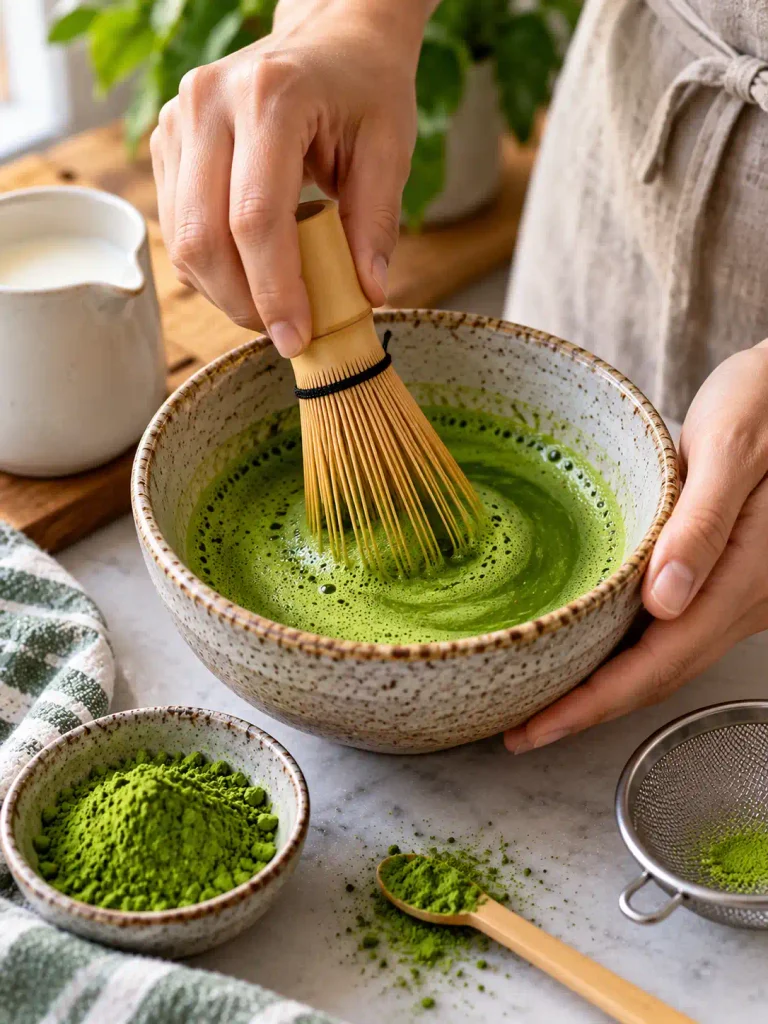
Now we get to the part that matters most: how to make matcha latte with a smooth texture and balanced flavor. Fortunately, once you have your matcha latte ingredients list ready, the actual method takes only a few minutes. You don’t need café equipment, either. A bamboo whisk works nicely, but a small kitchen whisk or handheld milk frother can also do the job.
For one latte, gather 1 to 2 teaspoons of the best matcha for latte you have, 2 ounces of hot water, 6 to 8 ounces of milk, and your preferred sweetener. You can use whole milk, oat milk, soy milk, or make a matcha latte with almond milk. If you’re learning how to make matcha latte at home for the first time, start with 1 teaspoon of matcha. You can always make the next cup stronger.
How to Make Matcha Latte Without Clumps
First, sift 1 teaspoon of matcha into a small bowl or wide mug. Sifting breaks apart small lumps before liquid touches the powder, so don’t skip this little step when you’re learning how to make matcha latte.
Next, add about 2 ounces of hot water. Avoid pouring vigorously boiling water straight onto the matcha. Then whisk briskly until the mixture looks smooth and you see a light layer of foam on top.
This step also answers a common question: Do I mix matcha with milk or water? Start by mixing matcha with a small amount of water. Because matcha consists of very fine tea particles rather than an instant powder that fully dissolves, whisking it into a small amount of water helps disperse the powder before you add a larger volume of milk.
Meanwhile, warm 6 to 8 ounces of your chosen milk for a hot latte. Froth it if you like a lighter, foamier top. Next, pour the milk into your prepared matcha. Add honey, maple syrup, or sugar to taste, then stir gently.
That’s the basic answer to how to make matcha latte at home: sift the matcha, whisk it with water, prepare the milk, combine, and sweeten to taste.
If you enjoy making tea drinks from scratch, you can also try my Costa Rican tea recipe for another homemade option.
The Best Matcha-to-Milk Ratio for a Homemade Latte
Getting the ratio right makes how to make matcha latte much easier. Too little matcha can disappear beneath the milk. However, too much can give your latte a stronger bitter or grassy edge.
| Latte Strength | Matcha | Water | Milk |
|---|---|---|---|
| Mild | 1 tsp | 2 oz | 8 oz |
| Balanced | 1½ tsp | 2 oz | 7 oz |
| Strong | 2 tsp | 2 oz | 6 oz |
I like starting with the balanced version when showing someone how to make matcha latte at home. From there, you can easily change the ratio.
For a matcha latte with almond milk, try the same basic ratio first. Then taste it before adding sweetener because different almond milk brands have different sweetness levels. Likewise, when making a matcha latte with milk powder, prepare the milk powder according to its package directions before measuring the milk for your latte.
If your drink tastes weak, add a little more matcha next time rather than simply reducing all the liquid. If it tastes too strong, add a splash of milk. Meanwhile, if you notice green clumps at the bottom, sift the powder and whisk the matcha base more thoroughly on your next try.
These same fundamentals also help when you’re learning how to make iced matcha latte. The main difference comes from cold milk, ice, and the way you account for dilution. I’ll cover that cold version next.
Once you learn how to make matcha latte, you can adjust almost every part of it without losing the basic recipe. You can pick the best matcha for latte within your budget, change the milk, adjust the sweetness, or make a dairy-free matcha latte with almond milk. For another refreshing homemade drink idea, my Panera agave lemonade gives you a completely different cold option.
How to Make Matcha Latte Hot or Iced at Home
Once you know how to make matcha latte, turning the same basic recipe into a cold drink takes only a few changes. In fact, learning how to make matcha latte at home gives you much more control over the strength, milk, sweetness, and temperature. You can make it hot on a cool morning, pour it over ice on a warm afternoon, or change the milk whenever you want something different.
The main rule stays the same whenever you learn how to make matcha latte: prepare a smooth matcha base before adding the larger amount of milk. That simple method helps distribute the fine matcha particles throughout the drink and gives you a smoother sip.
How to Make Iced Matcha Latte
If you’re wondering how to make iced matcha latte, start with the same basic matcha latte ingredients list: matcha powder, water, milk, optional sweetener, and ice. However, because ice slowly dilutes your drink, you can make the matcha base slightly stronger.
Start by sifting 1½ teaspoons of the best matcha for latte into a small bowl. Then add about 2 ounces of hot water and whisk until smooth and lightly foamy. Next, stir in your sweetener while the mixture remains warm.
Fill a tall glass with ice. Then pour in 6 to 8 ounces of cold milk. Finally, pour your prepared matcha over the milk and stir.
That’s really how to make matcha latte over ice.
| Version | Matcha | Water | Milk | Ice |
|---|---|---|---|---|
| Hot matcha latte | 1–2 tsp | 2 oz | 6–8 oz warm milk | None |
| Iced matcha latte | 1½–2 tsp | 2 oz | 6–8 oz cold milk | 1 cup, or as needed |
If you want more detail about how to make iced matcha latte, I’ve also written a complete guide to how to make iced matcha. It works well alongside this guide for anyone who prefers a cold matcha drink.
When you’re learning how to make matcha latte, remember that you control the final strength. Add a little more matcha for a stronger drink or more milk for a milder cup. Likewise, adjust the sweetener only after tasting.
How to Make Matcha Latte With Almond Milk or Milk Powder
Another reason I enjoy showing people how to make matcha latte at home is the flexibility. You don’t have to use dairy milk. Instead, you can make a matcha latte with almond milk, oat milk, soy milk, or another milk you already enjoy.
For a matcha latte with almond milk, prepare your matcha base with 1 to 2 teaspoons of matcha and 2 ounces of water. Then add about 6 to 8 ounces of almond milk. You can warm the almond milk for a hot latte or pour it cold over ice.
Because almond milk often tastes lighter than whole milk, start with 6 ounces if you want the matcha flavor to stand out. Then add more milk if needed.
You can also learn how to make matcha latte with milk powder. First, prepare the milk according to the directions on its package. Next, use 6 to 8 ounces of that prepared milk in your latte. Don’t add dry milk powder directly to the finished matcha and expect the same smooth result. Mixing the milk separately gives you better control over its consistency.
When deciding how to make matcha latte sweeter, you have several easy choices. Sugar gives a neutral sweetness, while maple syrup adds its own flavor. Honey works well too, although its flavor can become noticeable in a lightly flavored latte. If you enjoy honey-based drinks, you might also like my apple cider vinegar, lemon and honey drink.
Vanilla also pairs nicely with matcha. Add a small splash rather than covering the tea flavor. After all, choosing the best matcha for latte doesn’t help much if another ingredient completely hides it.
Whether you’re researching how to make matcha latte, how to make matcha latte at home, or how to make iced matcha latte, the basic formula remains easy to remember: whisk matcha with water first, then add your chosen milk and sweetener.
Once you’ve made the recipe a few times, how to make matcha latte stops feeling like a café technique and starts feeling like any other simple homemade drink. You can change the matcha strength, make a matcha latte with almond milk, prepare a matcha latte with milk powder, or serve it hot or cold depending on your mood.
And if you want another cold homemade drink after learning how to make matcha latte, try my Hubert’s lemonade for a bright change of pace.
Frequently Asked Questions About How to Make Matcha Latte
What Is Matcha?
Matcha is finely ground green tea powder. Instead of steeping tea leaves and removing them, you whisk matcha directly into water. When learning how to make matcha latte, you usually whisk the powder with a small amount of hot water first, then add milk. This method creates a smooth base and helps reduce clumps.
What Is the Best Matcha Powder?
The best matcha for latte should taste fresh and have enough tea flavor to remain noticeable after you add milk. Look for a vivid green powder, check the ingredient label, and follow the package storage directions. When learning how to make matcha latte at home, start with 1 teaspoon and increase the amount if you prefer a stronger matcha flavor.
How to Make a Matcha Latte?
To learn how to make matcha latte, sift 1 to 2 teaspoons of matcha into a bowl. Add about 2 ounces of hot water and whisk until smooth. Next, add 6 to 8 ounces of warm milk and sweetener to taste. You can froth the milk first if you prefer a foamy matcha latte.
Are Matcha Lattes Actually Good for You?
The answer depends partly on your matcha latte ingredients list. Matcha contains caffeine, while your choice of milk and sweetener changes the nutrition of the finished drink. When you know how to make matcha latte at home, you can control the amount of matcha, milk, and added sweetener that goes into each serving.
Do I Mix Matcha With Milk or Water?
Mix matcha with a small amount of water first. Sift the powder, add about 2 ounces of hot water, and whisk until smooth. Then add your milk. This technique forms an important part of how to make matcha latte because it helps distribute the fine matcha particles before you add a larger amount of liquid.
Is a Matcha Latte Healthier Than Coffee?
Neither drink automatically counts as the healthier choice because recipes and serving sizes differ. Coffee and matcha both contain caffeine, while milk and sweeteners can change the nutrition of either drink. Therefore, compare the actual ingredients and portions rather than assuming one drink always has an advantage.
How Can I Make the Best Matcha Latte at Home?
For the best results when learning how to make matcha latte, use fresh matcha, sift it before mixing, whisk it with water first, and choose milk that you enjoy. Also, add sweetener gradually. These small choices help you make a smooth, creamy drink while keeping the matcha flavor noticeable.
How Do I Make a Matcha Latte With Almond Milk?
To prepare a matcha latte with almond milk, whisk 1 to 2 teaspoons of matcha with 2 ounces of hot water. Next, add 6 to 8 ounces of warm or cold almond milk. Sweeten to taste. This method works well when you want to know how to make matcha latte without dairy milk.
Can I Make a Matcha Latte With Milk Powder?
Yes. For a matcha latte with milk powder, first prepare the milk according to the directions on its package. Separately, whisk your matcha with hot water. Then combine the prepared milk and matcha. This approach works particularly well when you’re learning how to make matcha latte at home but don’t have fresh milk available.
How to Make Iced Matcha Latte?
To learn how to make iced matcha latte, whisk 1½ to 2 teaspoons of matcha with about 2 ounces of hot water. Add sweetener if desired. Next, fill a glass with ice and 6 to 8 ounces of cold milk. Pour the matcha mixture over the milk and stir. For more tips, see my complete iced matcha recipe.
Conclusion: How to Make Matcha Latte at Home
Learning how to make matcha latte doesn’t require complicated café equipment or a long matcha latte ingredients list. Once you understand the basic method, you can make a creamy cup in your own kitchen whenever the craving hits.
Remember the simple formula for how to make matcha latte at home: sift the matcha, whisk it with a small amount of hot water, add your favorite milk, and sweeten to taste. Start with 1 to 2 teaspoons of the best matcha for latte, about 2 ounces of water, and 6 to 8 ounces of milk. From there, adjust the strength until the drink tastes right to you.
You can also make the recipe your own. Prepare a matcha latte with almond milk when you want a dairy-free version, use properly prepared milk powder when fresh milk isn’t available, or learn how to make iced matcha latte for a cold variation.
That’s what I enjoy most about how to make matcha latte at home. A few basic ingredients give you plenty of room to find your favorite version.
My own cooking started with an empty fridge, a cluttered life, and a need to make something good with what I had. Years later, here outside Asheville, I still love recipes that give home cooks that same freedom. You don’t need a culinary degree or a café counter to make something you enjoy. Sometimes you just need a bowl, a whisk, a little matcha, and a few quiet minutes in the kitchen.
So the next time you wonder how to make matcha latte, remember: whisk the matcha with water first, add the milk second, and adjust everything else to your taste. Then grab your favorite cup and enjoy what you made.