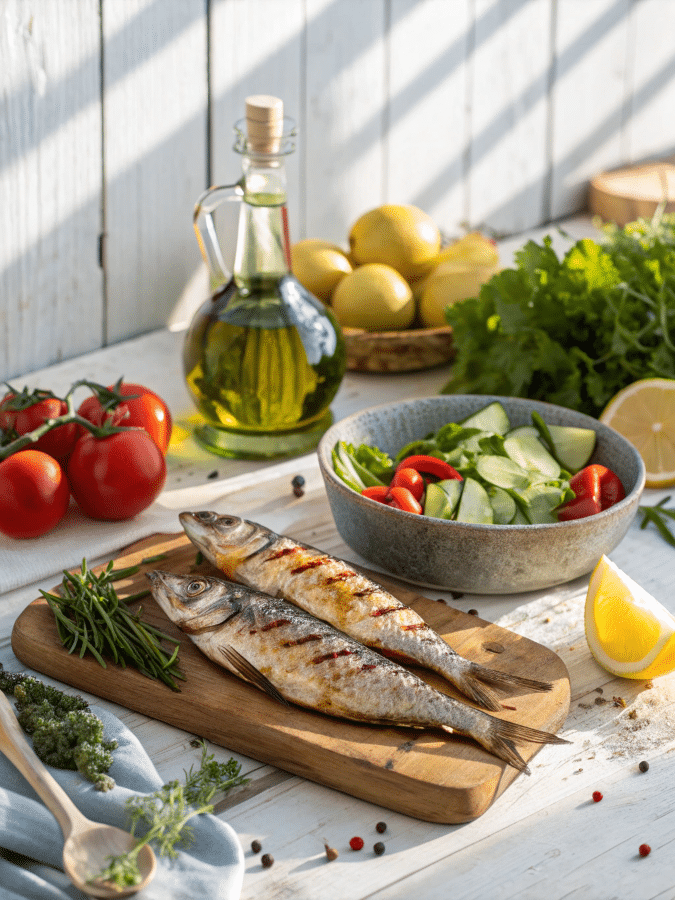
Following a Mediterranean diet meal plan is one of the simplest ways to eat well without overthinking every bite. Rooted in the traditional eating habits of coastal countries like Greece and Italy, this simple Mediterranean diet focuses on whole foods, heart-healthy fats, and fresh ingredients. Whether you’re brand new to healthy eating or just need a more basic Mediterranean diet structure, this guide makes it easy to stay on track. If you’re searching for Mediterranean diet ideas or an easy Mediterranean diet meal plan, you’re in the right place to begin a flavorful, nourishing journey, one plate at a time.
In this Article
Key Takeaways: What You Need to Know About a Mediterranean Diet Meal Plan
- A Mediterranean diet meal plan emphasizes whole foods like fruits, vegetables, legumes, grains, healthy fats, and seafood.
- It’s not a restrictive diet, it’s a flexible, enjoyable lifestyle that supports heart health, brain function, and longevity.
- Meals are simple, fresh, and easy to prepare using ingredients most people already have at home.
- A weekly Mediterranean diet meal plan helps reduce inflammation, improve digestion, and stabilize blood sugar.
- Daily habits like mindful eating, walking, and cooking at home enhance the plan’s effectiveness.
- Eggs, potatoes, and dairy are included in moderation, making the plan adaptable and satisfying.
- You can customize your Mediterranean diet meal plan to fit your budget, schedule, and dietary preferences without sacrificing taste or results.
Understanding the Mediterranean Diet
What Makes It Different Than Other Diets
The Mediterranean diet isn’t a “plan” in the strict sense. There’s no carb counting, no weighing food, no micro-managing every bite. Instead, it’s a pattern of eating that mirrors the traditional cuisines of countries bordering the Mediterranean Sea, like Greece, Italy, Spain, and southern France.
At its core, this way of eating focuses on:
- Fresh fruits and vegetables
- Whole grains
- Legumes like chickpeas and lentils
- Healthy fats (especially extra virgin olive oil)
- Seafood over red meats
- Herbs and spices instead of salt
- Plenty of water and some wine (if you drink)
Meals are built around plants and complemented by good fats and protein. And while meat, dairy, and eggs aren’t forbidden, they’re eaten in moderation.
The beauty? It’s flexible, tasty, and backed by research. You won’t need to overhaul your life overnight, and you can still enjoy favorites like whole wheat pasta or roasted potatoes, just paired differently than you might expect.
The Health Benefits: More Than Just Weight Loss
Most people come to the Mediterranean diet for weight management, but the benefits go far beyond the scale. It’s one of the most researched diets in the world, with studies linking it to:
- Reduced risk of heart disease and stroke
- Better blood sugar control
- Lowered inflammation markers
- Increased brain health and longevity
- Sustainable weight management
Because of its anti-inflammatory focus and high levels of antioxidants, fiber, and healthy fats, it’s been endorsed by the American Heart Association and the National Institutes of Health. In fact, a CDC guide on healthy eating often includes Mediterranean-style patterns as a gold standard.
What’s more, it’s a lifestyle you can live with. No gimmicks. No cutting out whole food groups. Just a joyful, intuitive way to eat well.
What to Eat and What to Avoid on a Mediterranean Diet Meal Plan
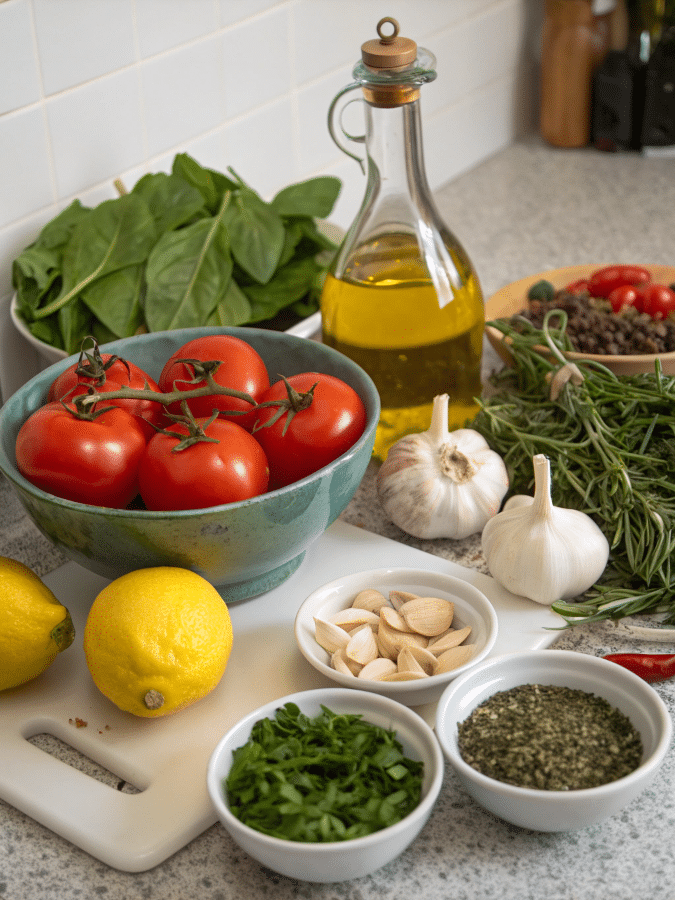
Top Mediterranean Foods for Daily Eating
A Mediterranean diet meal plan centers around real, whole foods that are both satisfying and deeply nourishing. This isn’t about cutting calories, it’s about choosing ingredients that support heart health, longevity, and flavor. Below is a snapshot of the Mediterranean kitchen.
Here’s what you’ll want to eat regularly:
| Food Group | Examples |
|---|---|
| Vegetables | Spinach, kale, tomatoes, eggplant, zucchini, carrots, cucumbers |
| Fruits | Oranges, apples, grapes, figs, berries, dates, melons |
| Whole Grains | Brown rice, farro, whole wheat pasta, barley, oats |
| Legumes | Chickpeas, lentils, white beans, black-eyed peas |
| Healthy Fats | Olive oil, olives, avocado, nuts (almonds, walnuts) |
| Seafood | Salmon, sardines, mackerel, trout, shrimp |
| Dairy (Moderation) | Greek yogurt, feta, Parmesan, small amounts of milk |
| Herbs & Spices | Oregano, basil, thyme, parsley, cinnamon, garlic |
Every item on this list plays a role in making your Mediterranean diet meal plan balanced and flavorful. For instance, nuts and olive oil supply healthy fats that reduce inflammation. Whole grains offer fiber that supports digestion. And herbs? They elevate flavor without adding sodium.
You don’t need fancy ingredients to get started. Many beginner-friendly options are already in your pantry or fridge. Check out my stuffed zucchini boats for an easy meal that checks all the Mediterranean boxes.
Foods to Avoid or Eat Sparingly
While a Mediterranean diet meal plan is flexible, some ingredients should be limited. It’s not about restriction, it’s about eating in a way that supports long-term wellness.
Avoid or reduce the following:
- Highly processed snacks (chips, cookies, fast food)
- Added sugars (soda, candy, sweetened yogurts)
- Refined grains (white bread, white pasta, processed breakfast cereals)
- Trans fats (margarine, hydrogenated oils)
- Processed meats (hot dogs, bacon, deli meats)
- Alcohol outside of meals (except small amounts of red wine with food)
Think of these not as forbidden, but as foods that don’t support the core values of a Mediterranean diet meal plan, freshness, balance, and nutritional richness.
If you’re craving comfort food, try my stuffed pepper casserole that leans into Mediterranean spices and whole ingredients instead of processed cheese or cream.
Even humble ingredients like potatoes have a place, especially when roasted in olive oil with garlic and parsley. (Yes, potatoes are allowed, we’ll talk more about that in the FAQs.)
Sample 7-Day Mediterranean Diet Meal Plan for Beginners
Simple 7-Day Plan for Beginners
This Mediterranean diet meal plan is designed for real life. That means quick breakfasts, make-ahead lunches, and easy dinners that taste great and don’t take hours to prep. You won’t need fancy ingredients or a chef’s degree, just good food and a willingness to try new flavors.
Feel free to adjust portions based on your needs and activity level. You’ll notice that this Mediterranean diet meal plan prioritizes whole grains, healthy fats, seafood, vegetables, and legumes, all proven to support heart and brain health.
| Day | Meals |
|---|---|
| Monday | Breakfast: Greek yogurt with chia & strawberries Lunch: Hummus sandwich on whole grain Dinner: Tuna salad with greens & olive oil dressing |
| Tuesday | Breakfast: Oatmeal with blueberries & walnuts Lunch: Zucchini noodles with cherry tomatoes & mozzarella Dinner: Baked trout with farro and olives |
| Wednesday | Breakfast: Omelet with mushrooms & herbs Lunch: Lentil soup with a side of whole wheat pita Dinner: Eggplant lasagna with salad |
| Thursday | Breakfast: Greek yogurt with sliced peaches Lunch: Quinoa salad with chickpeas & lemon Dinner: Broiled salmon with brown rice and spinach |
| Friday | Breakfast: Veggie scramble with whole wheat toast Lunch: [Stuffed zucchini boats](https://www.deenrecipes.com/stuffed-zucchini-boats-with-ricotta-and-spinach/) Dinner: Garlic lamb with baked potato and salad |
| Saturday | Breakfast: Oatmeal with apple slices & cinnamon Lunch: Falafel with brown rice and cucumbers Dinner: Mediterranean pizza on whole wheat pita |
| Sunday | Breakfast: Tomato, olive & feta omelet Lunch: [Chili vegetal](https://www.deenrecipes.com/chili-vegetal/) Dinner: Grilled chicken with sweet potatoes & steamed broccoli |
Each day in this Mediterranean diet meal plan includes a balance of fiber-rich carbs, healthy fats, and lean proteins. You’ll also see recurring ingredients, which makes batch-prepping and grocery shopping a breeze.
Need inspiration for flavorful lunches? My crock pot shrimp boil works beautifully for meal prep and aligns perfectly with the Mediterranean diet meal plan philosophy.
Swaps and Adjustments for Real Life
No two kitchens are alike, and your Mediterranean diet meal plan doesn’t have to be rigid. Here are smart substitutions you can make without losing the nutritional balance:
- No trout? Try sardines or canned salmon.
- No farro? Use quinoa, brown rice, or whole grain couscous.
- No dairy? Opt for unsweetened plant-based yogurt.
- Don’t like olives? Use avocado or roasted nuts for healthy fat.
Batch prep staples like lentils, roasted veggies, and homemade hummus on Sundays to make your weekdays flow easier. For breakfast ideas, pair apple cider vinegar lemon tea with Greek yogurt or overnight oats.
This Mediterranean diet meal plan isn’t about perfection, it’s about progress. One bite at a time, one meal at a time.
Mediterranean Breakfasts, Lunches & Dinners to Build Your Meal Plan
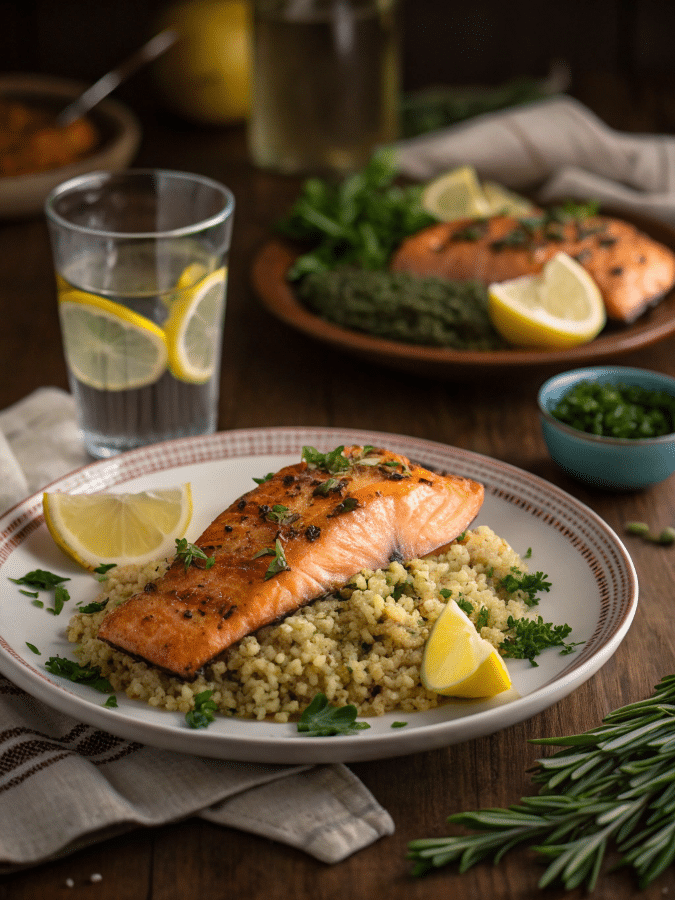
Easy Meals You’ll Actually Look Forward To
One of the best parts of following a Mediterranean diet meal plan is how satisfying the meals are. They’re flavorful, colorful, and full of ingredients that actually make you feel good after eating, not sluggish or bloated.
Instead of falling into the rut of cereal for breakfast, fast food for lunch, and pasta every night, your Mediterranean diet meal plan can become a delicious, exciting rhythm. You don’t need hundreds of recipes. Just a few reliable go-tos for each mealtime can completely change how you eat and feel.
Let’s break it down.
Mediterranean Breakfasts:
Start your morning with foods that keep you full, energized, and nourished, without added sugars or artificial ingredients.
- Greek yogurt topped with fresh figs, chia seeds, and walnuts
- Tomato and spinach omelet with a slice of whole grain toast
- Overnight oats with almond milk, cinnamon, dates, and raisins
- Hard-boiled eggs with olives and cherry tomatoes
- A warm cup of apple cider vinegar lemon tea with fruit and nuts
All of these options fit easily into a flexible Mediterranean diet meal plan and take under 10 minutes to prepare.
Mediterranean Lunches:
Midday meals should be light but filling. Focus on fiber, protein, and healthy fats. Great lunch options for your Mediterranean diet meal plan include:
- Chickpea salad with cucumber, olives, lemon, and parsley
- Leftover grilled fish or chicken with roasted vegetables
- Lentil soup with a side of whole wheat pita and hummus
- Crock pot shrimp boil served cold over greens with vinaigrette
- Quinoa tabbouleh with tomato, mint, and lemon zest
Mix and match ingredients to keep things interesting. Even just rotating between lentils, chickpeas, and white beans can bring variety to your Mediterranean diet meal plan.
Make-Ahead Ideas for Busy Days
Dinner is often where we either fall off the rails, or shine. A well-planned Mediterranean diet meal plan lets you win your evenings with easy-to-prep meals that don’t rely on takeout or frozen pizza.
Here are some dinner winners that align with your Mediterranean goals:
- Grilled salmon with herbed potatoes and green beans
- Stuffed bell peppers with brown rice, black beans, and feta
- Vegetarian chili (try this chili vegetal, packed with flavor)
- Roasted chicken thighs with lemon, garlic, and rosemary
- Eggplant lasagna made with whole wheat noodles and part-skim ricotta
- Mediterranean pizza using whole grain pita, tomato sauce, veggies, and crumbled feta
These dishes can be made in advance or prepped in stages. For example, roast a batch of veggies on Sunday, then use them in wraps, grain bowls, or omelets throughout the week.
This way, your Mediterranean diet meal plan adapts to your schedule, rather than the other way around.
Even if you’re feeding picky eaters or cooking solo, these meals make it easy to stay consistent. They’re comforting, deeply flavorful, and endlessly flexible.
Anti-Inflammatory Power and Science-Backed Perks of a Mediterranean Diet Meal Plan
How It Fights Inflammation Naturally
One of the most powerful reasons to follow a Mediterranean diet meal plan is its natural ability to reduce inflammation in the body. Chronic inflammation is linked to conditions like heart disease, type 2 diabetes, joint pain, cognitive decline, and even depression.
Research consistently shows that people who follow a Mediterranean diet meal plan have lower markers of inflammation, especially when they stick with it long-term. That’s because this eating style is rich in antioxidants, omega-3 fatty acids, and polyphenols, nutrients known to calm internal inflammation.
Here’s how the key elements of a Mediterranean diet meal plan contribute:
- Extra virgin olive oil is rich in oleocanthal, which has similar effects to anti-inflammatory drugs (without the side effects).
- Fatty fish like salmon, sardines, and mackerel are packed with omega-3s that reduce the risk of heart disease.
- Colorful fruits and vegetables provide antioxidants that fight oxidative stress.
- Legumes and whole grains supply fiber that supports a healthy gut, which plays a major role in regulating inflammation.
- Nuts and seeds offer plant-based fats and vitamin E, both of which protect against cellular damage.
A long-term Mediterranean diet meal plan won’t just help you feel better, it may literally change how your body ages. According to a 2018 NIH-supported study, individuals who followed a Mediterranean-style pattern had significantly reduced inflammatory markers compared to those on standard diets.
Want an easy anti-inflammatory dinner? Try my garlic butter steak bites with olive oil and herbs, totally aligned with a heart-healthy Mediterranean diet meal plan.
Heart, Brain, and Longevity Boosts
The benefits of a consistent Mediterranean diet meal plan don’t stop at inflammation. This way of eating is strongly linked to heart and brain health, both of which are impacted by lifestyle choices far more than genetics.
Here’s what a Mediterranean diet meal plan supports:
- Heart health: Lower blood pressure, improved cholesterol levels, reduced arterial plaque buildup
- Brain protection: Lower risk of Alzheimer’s and cognitive decline, thanks to omega-3s and antioxidants
- Weight stability: Sustainable weight loss without deprivation
- Improved blood sugar: Better insulin sensitivity due to low glycemic foods and fiber
- Longevity: Mediterranean populations often live longer, healthier lives
The Harvard School of Public Health confirms that adherence to a Mediterranean-style eating pattern significantly reduces the risk of cardiovascular events, strokes, and overall mortality.
That’s the beauty of a thoughtful Mediterranean diet meal plan, it’s not just a short-term “diet,” but a long-term lifestyle shift that keeps you thriving.
If you’re looking to ease into these benefits, consider starting with something small like a lemon ginger tea in the morning, or swapping out butter for olive oil in your cooking.
Each of these tiny shifts adds up, and that’s where the magic of the Mediterranean really happens.
Lifestyle Tips Beyond the Plate to Support Your Mediterranean Diet Meal Plan
How to Live the Mediterranean Way
The secret behind the success of a Mediterranean diet meal plan isn’t just the food. It’s the lifestyle. People who live in Mediterranean regions aren’t just healthier because they eat olive oil or fresh tomatoes, they thrive because they slow down, eat with others, and live in tune with nature.
To truly embrace your Mediterranean diet meal plan, think about how to incorporate these timeless, joyful habits into your day-to-day life:
- Eat slowly and mindfully, preferably with family or friends.
- Make meals an event, not just fuel. Sit down at a table. Put your phone away.
- Walk daily, even just 15–30 minutes after meals.
- Spend time outdoors in natural light.
- Prioritize rest and sleep, aiming for 7–9 hours per night.
- Cook at home more often, using fresh ingredients and simple recipes.
This holistic approach amplifies the results of your Mediterranean diet meal plan. Studies show that when people combine Mediterranean-style eating with increased physical activity and social connection, they enjoy even greater health benefits, including improved mood and mental clarity.
If your mornings are rushed, try preparing overnight oats with Greek yogurt the night before as part of your Mediterranean diet meal plan prep. Or wind down in the evening with a cup of ginger lemon tea, both delicious and comforting rituals that support balance.
Daily Habits for Long-Term Success
Sustainability is what makes a Mediterranean diet meal plan so effective. It’s not about sticking to a strict menu. It’s about building habits that feel good, so good, in fact, that you don’t want to go back.
Here’s how to keep your momentum going:
- Keep your pantry stocked with staples like olive oil, canned beans, whole grains, and dried herbs.
- Meal prep weekly, but don’t overcomplicate it. A few go-to meals are enough.
- Rotate seasonal produce into your meals for variety and budget-friendly shopping.
- Listen to your body. Eat when you’re hungry, and stop when you’re satisfied.
- Be flexible. Missed a day? Had pizza? That’s okay. Just return to your plan the next meal.
When your Mediterranean diet meal plan becomes a lifestyle rather than a checklist, you naturally fall into a rhythm that supports long-term health. You’ll start to crave roasted vegetables instead of chips, grilled fish instead of fried, and fresh fruit over processed snacks, not because you have to, but because it feels better.
Even indulgences like a small piece of dark chocolate or a glass of red wine can fit beautifully within a balanced Mediterranean diet meal plan, just keep it occasional and intentional.
The key is progress, not perfection. This lifestyle isn’t about rigid rules, it’s about showing up with intention, one meal at a time.
FAQs About the Mediterranean Diet Meal Plan
What is an example of a Mediterranean diet meal plan?
A typical Mediterranean diet meal plan includes Greek yogurt with fruit, a lentil salad for lunch, and grilled salmon with veggies for dinner. Snacks can be nuts or hummus with cucumbers, simple, balanced, and flavorful.
What is not allowed in a Mediterranean diet?
The Mediterranean diet avoids processed foods, refined grains, added sugars, and unhealthy fats. Red meat and sweets are limited, while whole, natural foods take the spotlight.
What do I eat in a day on the Mediterranean diet?
In a basic Mediterranean diet, you eat veggies, whole grains, legumes, seafood, and olive oil. It’s a simple Mediterranean diet focused on variety and fresh ingredients.
What is the best Mediterranean diet for beginners?
For beginners, the best plan is an easy Mediterranean diet meal plan with real foods, think beans, fish, whole grains, and plenty of veggies. Keep it simple and consistent.
Conclusion: A Mediterranean Diet Meal Plan That Actually Works
The beauty of a well-balanced Mediterranean diet meal plan is how effortless it can feel. It’s not about perfection, it’s about progress, flavor, and nourishing your body with real food. You don’t need to obsess over calories or eliminate entire food groups. Instead, you focus on wholesome ingredients, joyful eating, and simple habits that feel sustainable.
From heart health to better digestion, more energy to reduced inflammation, every meal on your Mediterranean diet meal plan builds toward long-term wellness. With each forkful of roasted vegetables, drizzle of olive oil, or bite of grilled fish, you’re choosing food that supports your body and lifestyle.
So whether you’re making a quinoa bowl, baking salmon with lemon, or sipping ginger tea in the morning, your Mediterranean diet meal plan is your path to a healthier, fuller, more flavorful life. You don’t need fancy tools or expensive ingredients, just heart, intention, and a love for real food.
Try it for a week. Prep ahead. Sit down to eat. Let your body do the rest.
For more Mediterranean-inspired recipes, visit my complete guide or whip up my chili vegetal for a meatless Monday win.